E R Y K B U D I P R A T A M A , C E H
C Y B E R S E C U R I T Y C O N S U L T A N T
E R N S T & Y O U N G ( E Y )
Mobile Application Security
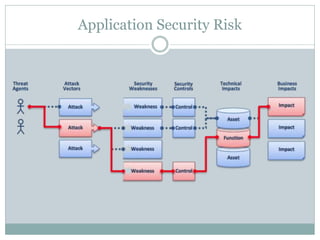
Application Security Risk
Lack of Binary Protection
 Obfuscation
 Code modification
Recommendations :
• Obfuscator (ProGuard,
DexGuard)
• Jailbreak Detection
Controls
• Checksum Controls
• Debugger Detection
Controls
• Renewing Secret Tokens
Weak Server Side Controls
 Logic flaws
 Weak authentication
 Weak Session Management
 Insecure web server configuration
 Injection (SQL, XSS, Command)
 Local and Remote Files Control
 Input validation for API
Insecure Data Storage
 SQLite databases
 Log Files
 XML Data Stores or
Manifest Files
 Binary data stores
 Cookie stores
 SD Card
Recommendations:
• Ensure any shared
preferences properties
are NOT
MODE_WORLD_READ
ABLE
• Avoid exclusively relying
upon hardcoded
encryption or decryption
keys
Insufficient Transport Layer Protection
Recommendations:
 Use TLS
 Certificate Pinning
 Strong cipher suite
 Usage of Secure flag for
Session Cookies
 Usage of HTTP Strict
Transport Security
(HSTS)
• Lack of Certificate
Inspection
• Weak Handshake
Negotiation (cipher suite)
• Privacy Information
Leakage (via non secure
channel)
Unintended Data Leakage
 API or encryption keys
 Passwords
 Internal company
information
 Debugging or maintenance
information
Recommendations:
 Store sensitive application
data server-side
 Avoid hardcoding
information in the
application
Poor Authorization and Authentication
Recommendations:
 Unique identifiers as
additional (not only) factors
 Differentiate client-side
passcode vs. server
authentication
 Hardware-independent
identifiers (ie. Not IMSI,
serial, etc.)
 Multi-factor authentication,
depending on risk
 Define & enforce password
length, strength & uniqueness
 No password, just unique ID
 Plain text password
 Using GET method
Broken Cryptography
 Hardcoded key
 Insecure encryption algorithm
 RC2
 MD4
 MD5
 SHA1
Client Side Injection
 SQL Injection
 Local File Inclusion
 Javascript Injection
(XSS)
Recommendations:
 Using parameterized
queries
 Verify that JavaScript and
Plugin support is disabled
for any WebViews
 Verify that File System
Access is disabled for any
WebViews
Improper Session Handling
 Failure to Invalidate Sessions on the Backend
 Lack of Adequate Timeout Protection
 Failure to Properly Rotate Cookies
 Insecure Token Creation
Thank You

Cybersecurity - Mobile Application Security

  • 1.
    E R YK B U D I P R A T A M A , C E H C Y B E R S E C U R I T Y C O N S U L T A N T E R N S T & Y O U N G ( E Y ) Mobile Application Security
  • 2.
  • 8.
    Lack of BinaryProtection  Obfuscation  Code modification Recommendations : • Obfuscator (ProGuard, DexGuard) • Jailbreak Detection Controls • Checksum Controls • Debugger Detection Controls • Renewing Secret Tokens
  • 10.
    Weak Server SideControls  Logic flaws  Weak authentication  Weak Session Management  Insecure web server configuration  Injection (SQL, XSS, Command)  Local and Remote Files Control  Input validation for API
  • 11.
    Insecure Data Storage SQLite databases  Log Files  XML Data Stores or Manifest Files  Binary data stores  Cookie stores  SD Card Recommendations: • Ensure any shared preferences properties are NOT MODE_WORLD_READ ABLE • Avoid exclusively relying upon hardcoded encryption or decryption keys
  • 12.
    Insufficient Transport LayerProtection Recommendations:  Use TLS  Certificate Pinning  Strong cipher suite  Usage of Secure flag for Session Cookies  Usage of HTTP Strict Transport Security (HSTS) • Lack of Certificate Inspection • Weak Handshake Negotiation (cipher suite) • Privacy Information Leakage (via non secure channel)
  • 13.
    Unintended Data Leakage API or encryption keys  Passwords  Internal company information  Debugging or maintenance information Recommendations:  Store sensitive application data server-side  Avoid hardcoding information in the application
  • 14.
    Poor Authorization andAuthentication Recommendations:  Unique identifiers as additional (not only) factors  Differentiate client-side passcode vs. server authentication  Hardware-independent identifiers (ie. Not IMSI, serial, etc.)  Multi-factor authentication, depending on risk  Define & enforce password length, strength & uniqueness  No password, just unique ID  Plain text password  Using GET method
  • 15.
    Broken Cryptography  Hardcodedkey  Insecure encryption algorithm  RC2  MD4  MD5  SHA1
  • 16.
    Client Side Injection SQL Injection  Local File Inclusion  Javascript Injection (XSS) Recommendations:  Using parameterized queries  Verify that JavaScript and Plugin support is disabled for any WebViews  Verify that File System Access is disabled for any WebViews
  • 17.
    Improper Session Handling Failure to Invalidate Sessions on the Backend  Lack of Adequate Timeout Protection  Failure to Properly Rotate Cookies  Insecure Token Creation
  • 18.