François Guité
@francoisguite
Pensée et numérique :
quels rapports ?
#ifp17mai
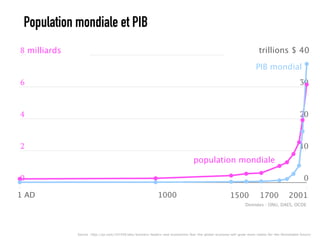
Données : ONU, DAES, OCDE
Source : http://qz.com/107438/why-business-leaders-and-economists-fear-the-global-economy-will-grow-more-slowly-for-the-foreseeable-future/
1 AD 1000 1500 1700 2001
milliards trillions $ 40
population mondiale
PIB mondial
Population mondiale et PIB
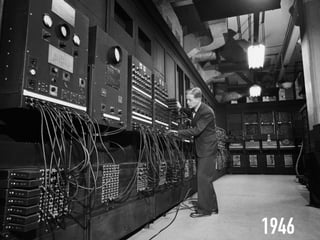
1946
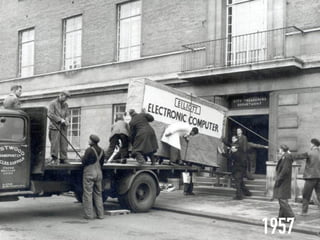
1957
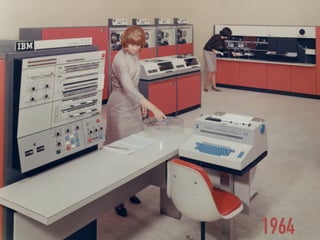
1964
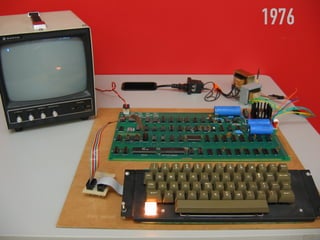
1976
Il n’y a aucune raison de vouloir
un ordinateur dans sa maison.
Ken Olsen
‟
1977
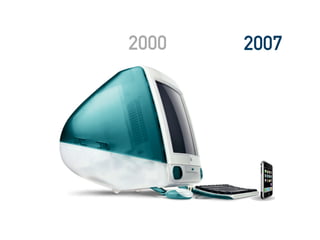
2000 2007
1
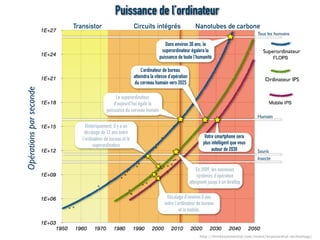
Puissance de l’ordinateur
Circuits intégrésTransistor Nanotubes de carbone
Opérationsparseconde Tous les humains
Humain
Souris
Insecte
Superordinateur
Ordinateur IPS
http://thinkexponential.com/invest/exponential-technology/
Dans environ 30 ans, le
superordinateur égalera la
puissance de toute l’humanité
L’ordinateur de bureau
atteindra la vitesse d’opération
du cerveau humain vers 2025
Le superordinateur
d’aujourd’hui égale la
puissance du cerveau humain
Historiquement, il y a un
décalage de 12 ans entre
l’ordinateur de bureau et le
superordinateur
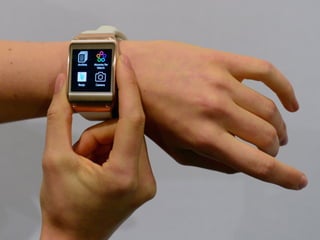
Votre smartphone sera
plus intelligent que vous
autour de 2030
En 2009, les nouveaux
systèmes d’opération
atteignent jusqu’à un téraflop
Décalage d’environ 8 ans
entre l’ordinateur de bureau
et le mobile.
2
3
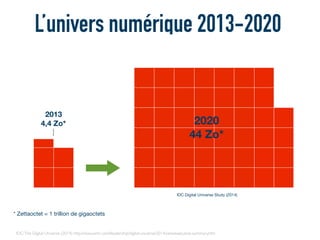
* Zettaoctet = 1 trillion de gigaoctets
2013
4,4 Zo*
IDC:The Digital Universe (2014) http://www.emc.com/leadership/digital-universe/2014iview/executive-summary.htm
L’univers numérique 2013-2020
2020
44 Zo*
IDC Digital Universe Study (2014)
4
CopyrightCopyleft
5
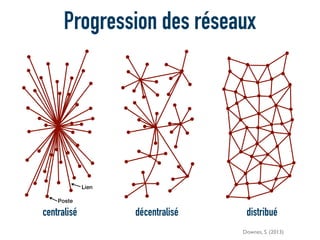
Progression des réseaux
Poste
Lien
centralisé décentralisé distribué
Downes, S. (2013)
6
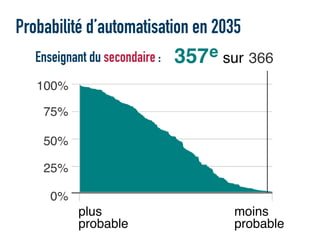
Probabilité d’automatisation en 2035
Enseignant du secondaire : e sur
plus
probable
moins
probable
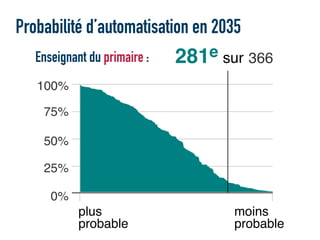
Probabilité d’automatisation en 2035
Enseignant du primaire : e sur
plus
probable
moins
probable
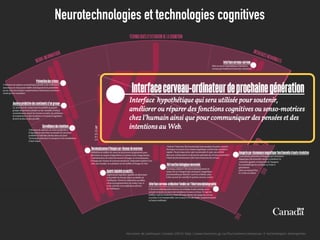
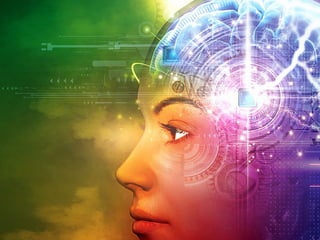
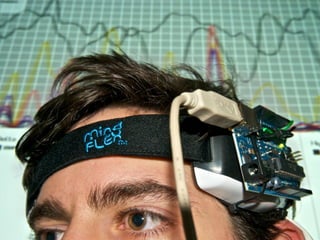
Neurotechnologies et technologies cognitives
Horizons de politiques Canada (2014) http://www.horizons.gc.ca/fra/contenu/metascan-3-technologies-émergentes
Neurotechnologies et technologies cognitives
Horizons de politiques Canada (2014) http://www.horizons.gc.ca/fra/contenu/metascan-3-technologies-émergentes
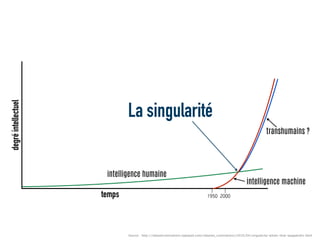
Source : http://rebaneruminations.typepad.com/rebanes_ruminations/2010/04/singularity-whats-that-wappendix.html
degréintellectuel
temps 1950 2000
intelligence humaine
intelligence machine
transhumains ?
La singularité
https://vimeo.com/141479485
intelligence
artificielle
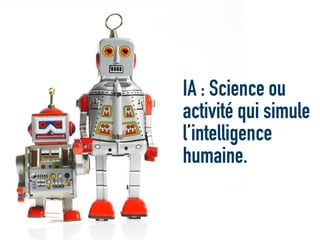
IA : Science ou
activité qui simule
l’intelligence
humaine.
Elle exécute.
La machine ne pense pas.
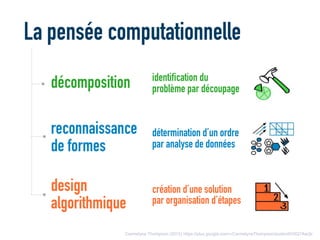
La pensée computationnelle
design
algorithmique
création d’une solution
par organisation d’étapes
décomposition identification du
problème par découpage
reconnaissance
de formes
détermination d’un ordre
par analyse de données
Carmelyne Thompson (2015) https://plus.google.com/+CarmelyneThompson/posts/diH3Q7Ascjb
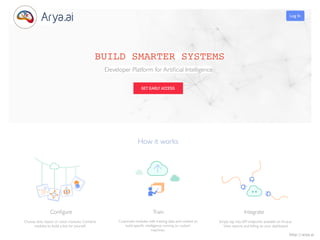
BUILD SMARTER SYSTEMS
Developer Platform for Artificial Intelligence
GET EARLY ACCESS
How it works
Configure Train Integrate
Choose text, reason or vision modules. Combine
modules to build a bot for yourself.
Customize modules with training data and context to
build specific intelligence running on custom
machines.
Simply tap into API endpoints available on Arya.ai.
View reports and billing on your dashboard.
Log In
http://arya.ai
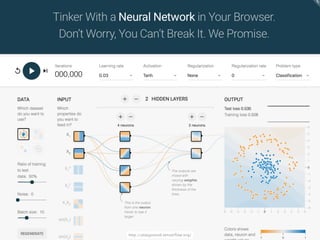
http://playground.tensorflow.org/
http://www.deepgrammar.com
https://www.flickr.com/photos/nickgentry/
Nick Gentry, 2011
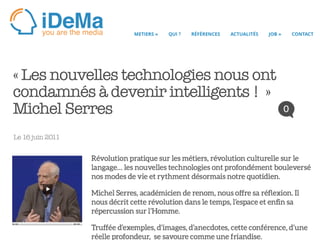
« Les nouvelles technologies nous ont
condamnés à devenir intelligents !  »
Michel Serres
Le 16 juin 2011
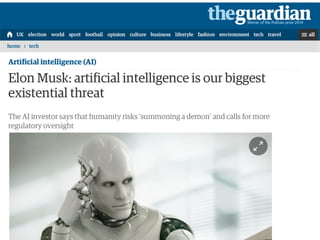
La menace ne vient pas de
l'intelligence artificielle, mais
de notre paresse intellectuelle.
La menace ne vient pas de
l'intelligence artificielle,
Nous jugeons plus sévèrement
les erreurs algorithmiques que
les erreurs humaines.
Dietvorst, B. (2014)
http://www.npr.org/2015/02/03/383454933/why-we-judge-algorithmic-mistakes-more-harsley-than-human-mistakes
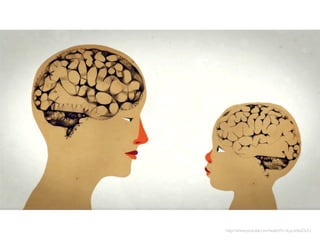
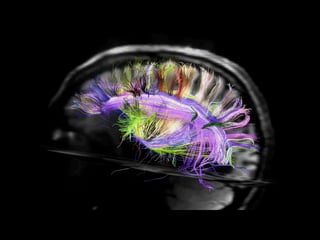
Effets de l’usage d’internet sur le
cerveau des adolescents…
Kathryn L. Mills (2014)
Mills, K.L. (Trends in Cognitive Science, 2014) http://www.cell.com/trends/cognitive-sciences/fulltext/S1364-6613(14)00106-5
Aucune certitude qu’internet a ou n’a
pas d’effet profond sur le cerveau.
Mills, K.L. (Trends in Cognitive Science, 2014) http://www.cell.com/trends/cognitive-sciences/fulltext/S1364-6613(14)00106-5
Kathryn L. Mills (2014)
Moins de mémorisation d’information,
mais davantage où la trouver.
Mills, K.L. (Trends in Cognitive Science, 2014) http://www.cell.com/trends/cognitive-sciences/fulltext/S1364-6613(14)00106-5
Sparrow B. et coll. (2011)
Un usage typique ne nuit pas
au développement social.
Mills, K.L. (Trends in Cognitive Science, 2014) http://www.cell.com/trends/cognitive-sciences/fulltext/S1364-6613(14)00106-5
Kathryn L. Mills (2014)
http://www.youtube.com/watch?v=zLp-edwiGUU
https://youtu.be/ZWACm6BkDVo
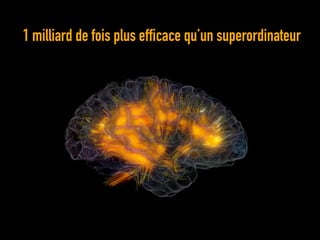
1 milliard de fois plus efficace qu’un superordinateur
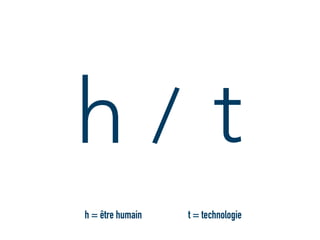
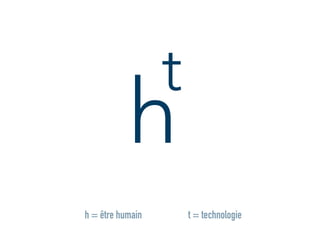
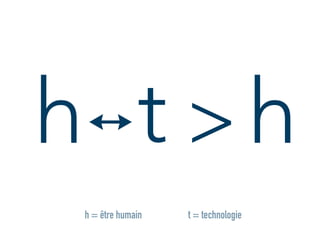
h t
t = technologieh = être humain
/
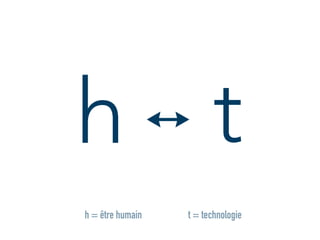
h t
t = technologieh = être humain
↔
h t
t = technologieh = être humain
=
h
t
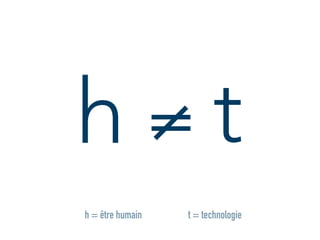
t = technologieh = être humain
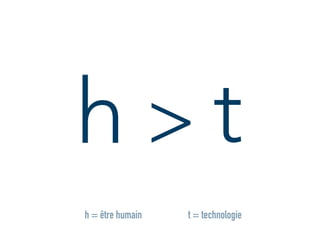
h t>
t = technologieh = être humain
ht >
t = technologieh = être humain
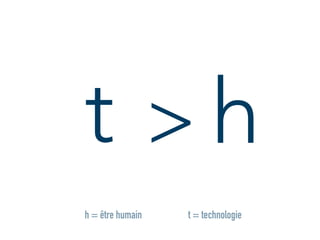
↔t >h t
t = technologieh = être humain
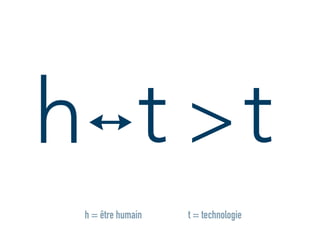
↔t >h
t = technologieh = être humain
h
>h t
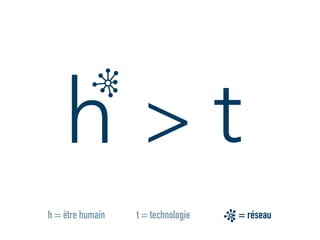
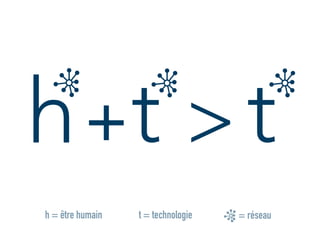
h = être humain t = technologie = réseau
>
t = technologieh = être humain r = réseau
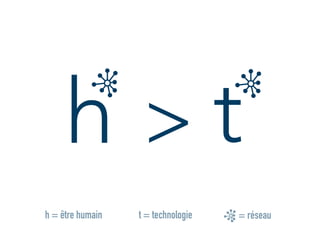
h t
= réseau
>
t = technologieh = être humain r = réseau
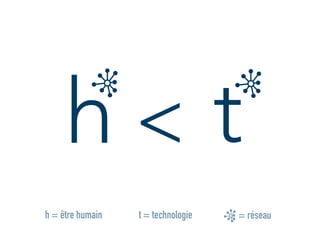
h t
= réseau
t+h
t = technologieh = être humain r = réseau= réseau
t>
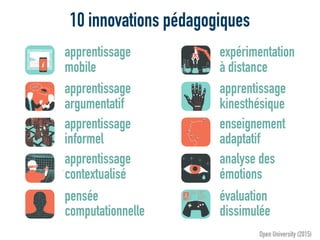
10 innovations pédagogiques
Open University (2015)
apprentissage
mobile
apprentissage
argumentatif
apprentissage
informel
apprentissage
contextualisé
pensée
computationnelle
expérimentation
à distance
apprentissage
kinesthésique
enseignement
adaptatif
analyse des
émotions
évaluation
dissimulée
Forum économique mondial, 2015
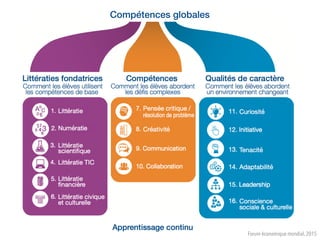
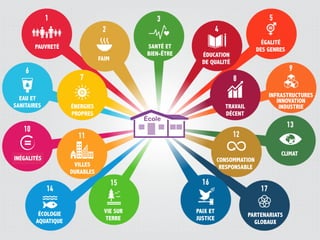
Compétences globales
École
PAUVRETÉ
FAIM
SANTÉ ET
BIEN-ÊTRE ÉDUCATION
DE QUALITÉ
ÉGALITÉ
DES GENRES
EAU ET
SANITAIRES ÉNERGIES
PROPRES
TRAVAIL
DÉCENT
INFRASTRUCTURES
INNOVATION
INDUSTRIE
INÉGALITÉS
VILLES
DURABLES
CONSOMMATION
RESPONSABLE
CLIMAT
ÉCOLOGIE
AQUATIQUE
VIE SUR
TERRE
PAIX ET
JUSTICE
PARTENARIATS
GLOBAUX
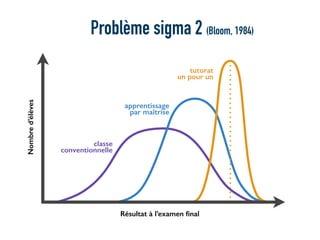
Résultat à l’examen final
Nombred’élèves
classe
conventionnelle
apprentissage
par maîtrise
tutorat
un pour un
Problème sigma 2 (Bloom, 1984)
L’école enseigne encore ce
que l’IA fait déjà mieux.
https://vimeo.com/147764920
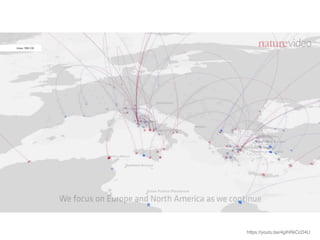
https://youtu.be/4gIhRkCcD4U
Olivier H. Beauchesne: Map of Scientific Collaboration (2014) http://olihb.com/2014/08/11/map-of-scientific-collaboration-redux/
Merci
francoisguite.com
francoisguite.tumblr.com
twitter.com/FrancoisGuite
gplus.to/FrancoisGuite
delicious.com/guitef

Pensée et numérique, quels rapports?